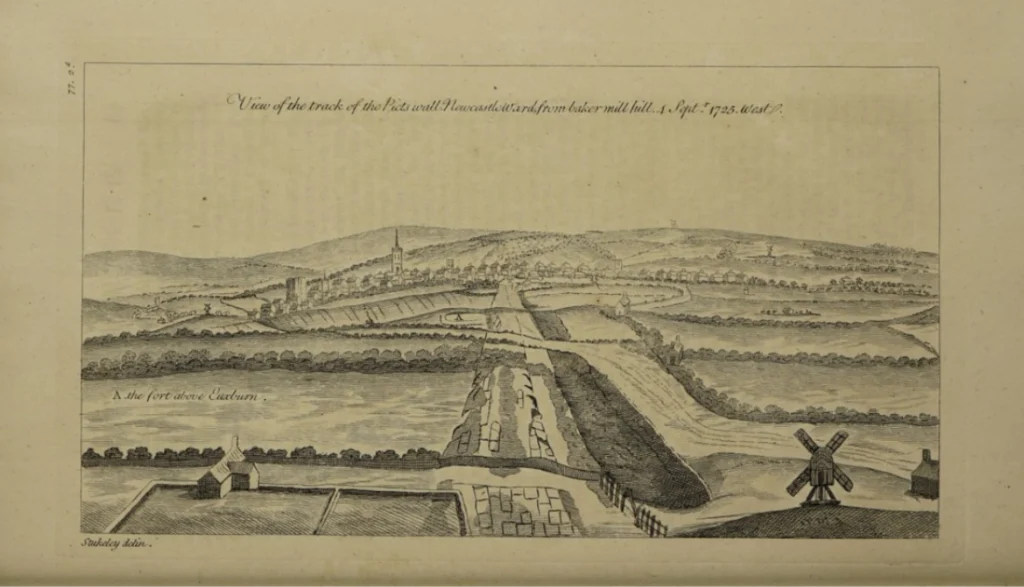
Hadrian’s Wall ran right down the south side of Shields Road, and Milecastle 3 was situated beneath the beginning of the Ouseburn Bridge.
It’s said that stones from Milecastle 3 were used in the foundations of St Silas’ Church at the bottom of Shields Road, a stone’s throw from the site. I talk about this and the recently discovered Turret 3A here:
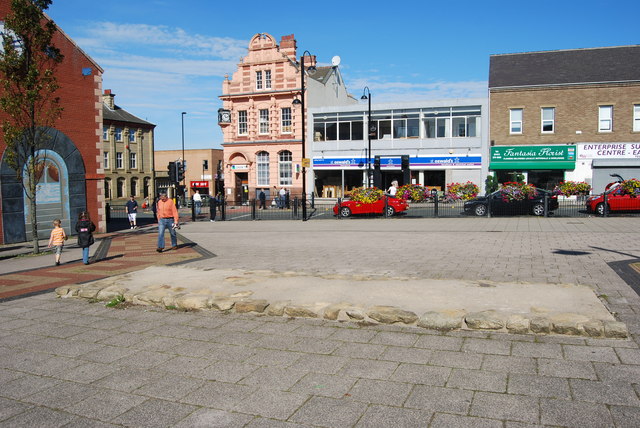
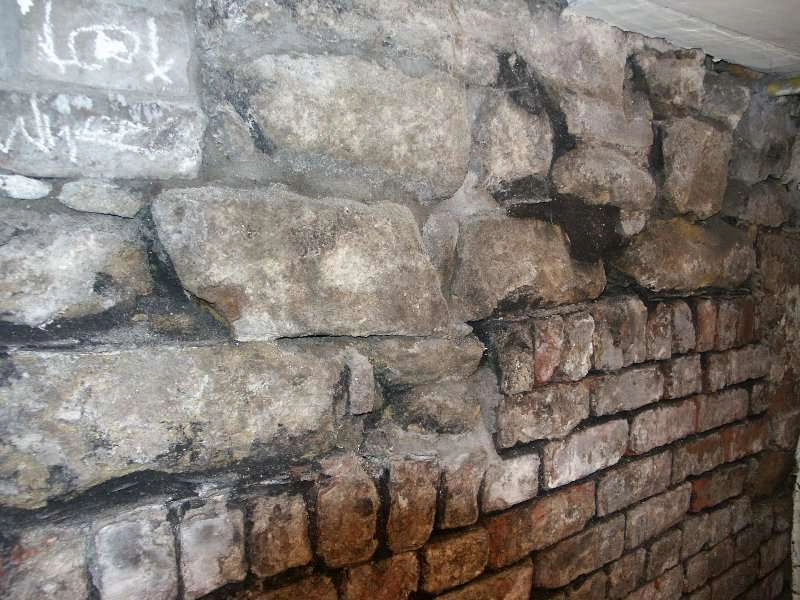
People weren’t sure of the exact line of the Wall on Shields Road until the early 2000s when a section of it was unearthed outside the swimming pool near the Metro Station, as well as under Greggs a bit further down. The upper section has been turned into a public square with the stones in situ.
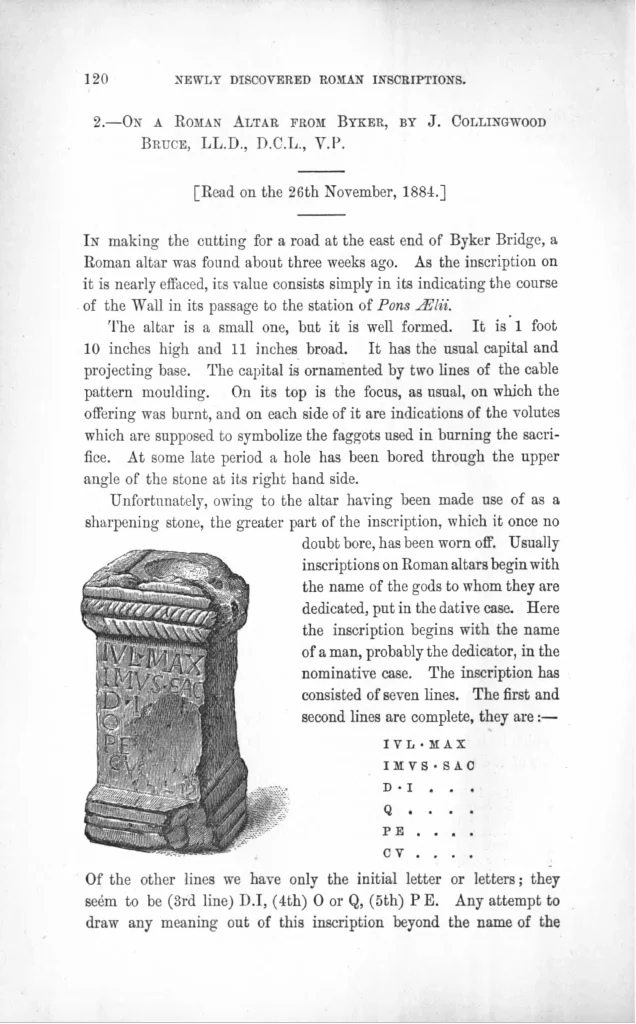
Roman Altar Discovered in 1884
Roman Inscriptions of Britain 1314.
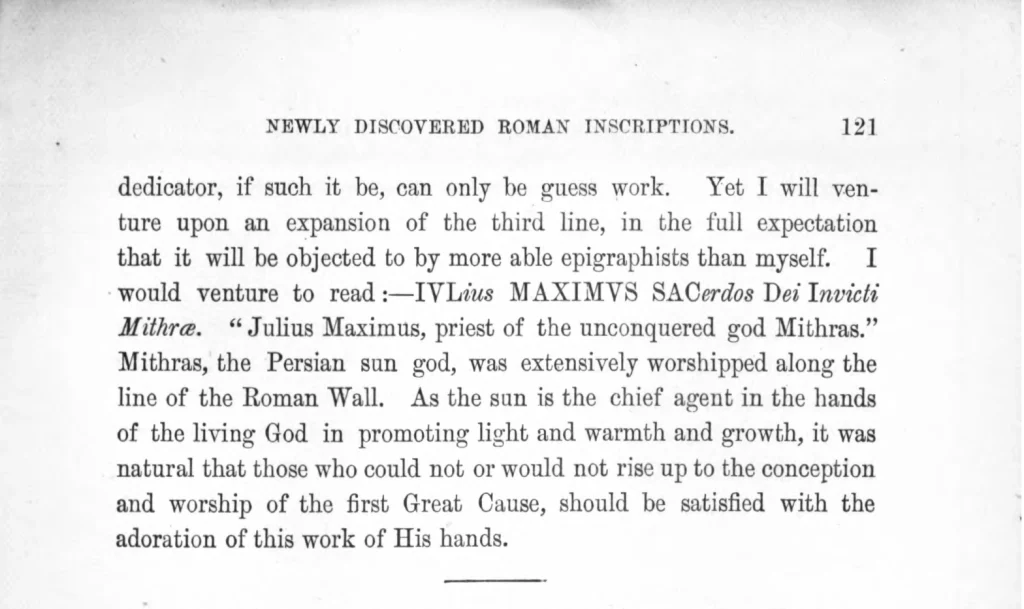
This was discovered during road construction, approximately 90–100 feet south of the eastern end of Byker Road Bridge. It is only 22 inches high and its inscription is fragmentary, but it preserves the name Julius Maximus and a reference to a priest of a deity whose name is incomplete.
This is what John Collingwood-Bruce wrote about it in Archaeologia Aeliana:
Three Names on a Roman Stone
Roman Inscriptions of Britain 1315
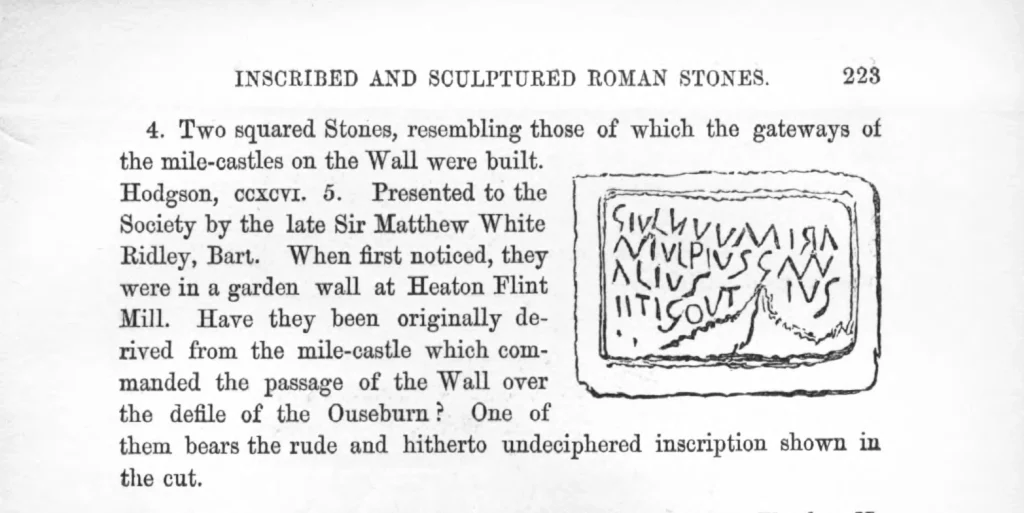
This centurial stone was recorded by 1807 in a garden wall at Heaton Flint Mill, in Jesmond Vale, which is a fascinating relic of early industry in the dene.
The names:
- Julius Numisianus
- Ulpius Canalius
- Lucius Goutius
Centurial stones were stone plaques inserted to mark the completion of a significant section of the Wall. These men could have been centurions/foremen/sappers responsible for building Milecastle 3 or its accompanying bridge across the Ouseburn, which would’ve been a complex undertaking.
This is what Collingwood-Bruce remarked about it:

Addendum
Next week I’ll write a post on Roman Walker, which even takes its name from the Wall…
Never miss an article. Enter your email or give our FB page a like

I often wondered about the Ouseburn and if the wall went down there. Are there any recognised Roman sites in the centre of Newcastle.
There are a few sites, including Turret 3A, the fort, the site of the bridge (now Swing Bridge) and Milecastle 4. So much has been covered over for centuries though, which makes the city centre one of the least understood parts of the Wall.
Plus some graves next to Central Station